
Microsoft SQL Server
Database Table
In Microsoft SQL Server, a database table is an organized collection of data structured into rows and columns. Each table consists of fields (columns) that define the attributes of the data being stored and rows that contain the actual data. A table is essential in databases because it provides a structured format to store and retrieve information efficiently. Tables are typically created with SQL statements and serve as the foundation for the database structure, such as storing data for customers, products, and sales in a retail store.
- Creating a Database Table
To create a table, you define the table's name and specify the columns, their data types, and any constraints. Here's a sample SQL statement to create a table for storing product information:
CREATE TABLE Products (
  ProductID INT PRIMARY KEY,
  ProductName NVARCHAR(100),
  Price DECIMAL(10, 2),
  QuantityInStock INT
);
Productsis the table name.ProductIDis the primary key column, uniquely identifying each product.ProductName,Price, andQuantityInStockare columns with data types such asNVARCHARfor text andDECIMALfor numbers.
- Inserting Data into a Table
After creating the table, data can be inserted into the rows using the
INSERT INTOstatement. Here's how to insert a product into theProductstable:INSERT INTO Products (ProductID, ProductName, Price, QuantityInStock) VALUES (1, 'Laptop', 899.99, 50);
- This adds a new row to the
Productstable with the specified values forProductID,ProductName,Price, andQuantityInStock.
- This adds a new row to the
- Selecting Data from a Table
To retrieve data from a table, the
SELECTstatement is used. For example, to retrieve all products in theProductstable:SELECT * FROM Products;- The
*symbol means all columns, and this will display all rows in theProductstable.
- The
- Updating Data in a Table
If you want to update existing data in a table, you use the
UPDATEstatement. Here's how to update the price of a product:UPDATE Products SET Price = 799.99 WHERE ProductID = 1;
- This changes the price of the product with
ProductID1 to 799.99.
- This changes the price of the product with
- Deleting Data from a Table
To remove data from a table, the
DELETEstatement is used. Here's how to delete a product:DELETE FROM Products WHERE ProductID = 1;
- This removes the product with
ProductID1 from theProductstable.
- This removes the product with
Understanding how to work with tables, columns, and rows is fundamental in SQL Server. With these basic commands, beginners can create, manage, and manipulate data effectively.
To gain complete access, login with gmail or outlook, no need of signup, click here
Database Tables and Their Components
Database tables are designed to store data in a structured format, using rows and columns. Each table represents a specific type of entity, such as users, products, or orders, with the columns representing attributes of that entity. Understanding these components is crucial for effective database design and management.
Components of Database Tables
1. Table Name
The unique identifier for a table within a database, descriptive of the data it holds.
2. Columns/Fields
Columns represent the attributes of the entity. Each column has a specific data type and can be defined with various constraints:
- Data Type: The kind of data a column can hold (e.g., VARCHAR, INT, DATE).
- Constraints: Rules for the data stored in a column, including NOT NULL, UNIQUE, PRIMARY KEY, FOREIGN KEY, CHECK, and DEFAULT.
3. Rows/Records
Individual instances of the entity, with each row having a unique identifier through the primary key.
4. Indexes
Special lookup tables that speed up data retrieval, analogous to an index in a book.
5. Relationships
Defines how tables relate to each other, including One-to-One, One-to-Many, and Many-to-Many relationships.
Sample SQL Code
Creating a Table
CREATE TABLE Students (
    StudentID INT PRIMARY KEY,
    FirstName VARCHAR(50) NOT NULL,
    LastName VARCHAR(50) NOT NULL,
    Email VARCHAR(100) UNIQUE,
    Age INT CHECK (Age > 0),
    EnrollmentDate DATE DEFAULT CURRENT_DATE
);
Inserting Data
INSERT INTO Students (StudentID, FirstName, LastName, Email, Age)
VALUES (1, 'John', 'Doe', 'john.doe@example.com', 20);
Querying Data
SELECT * FROM Students
WHERE Age >= 18;
Updating Data
UPDATE Students
SET Email = 'new.email@example.com'
WHERE StudentID = 1;
Deleting Data
DELETE FROM Students
WHERE StudentID = 1;
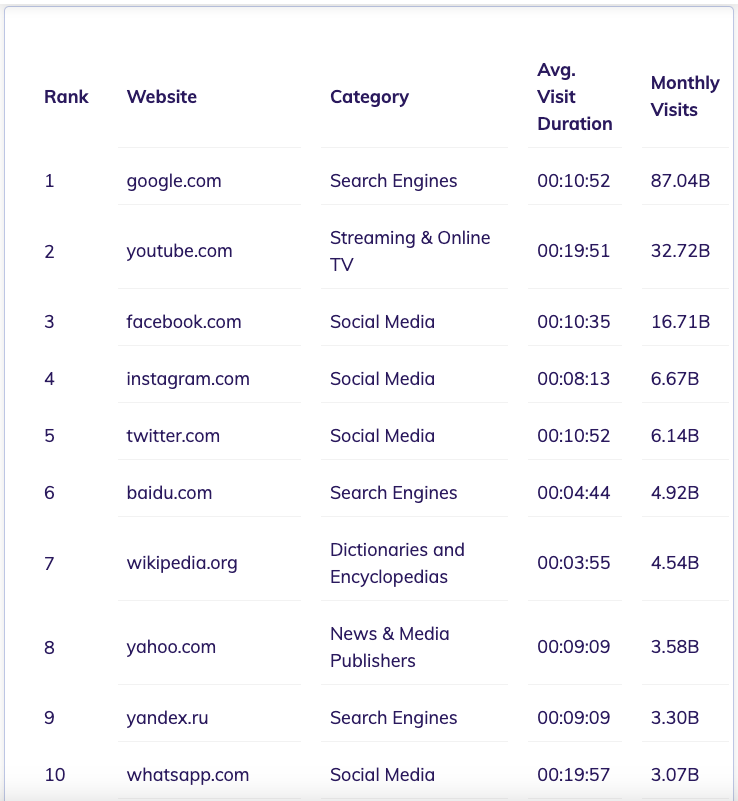
DATA TABLE - TOP 10 WEBSITES
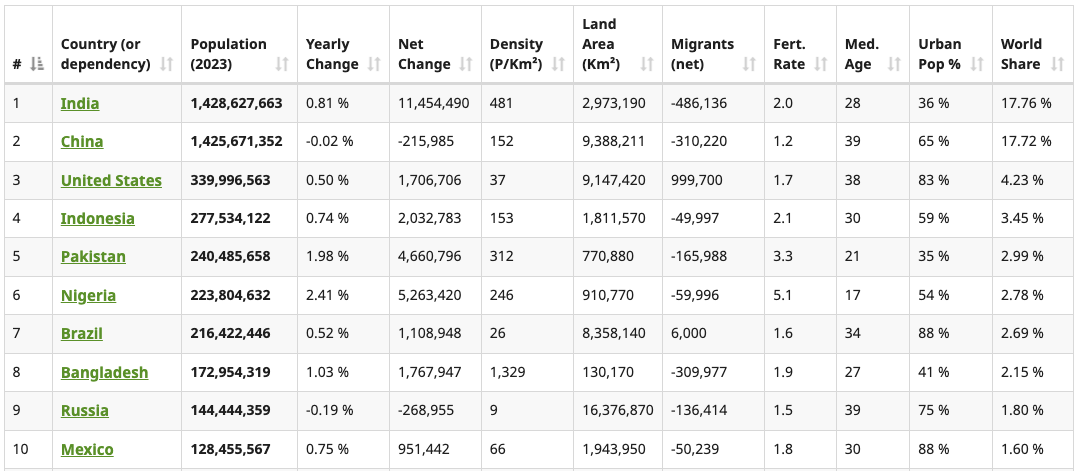
DATA TABLE - TOP 10 POPULATED COUNTRIES
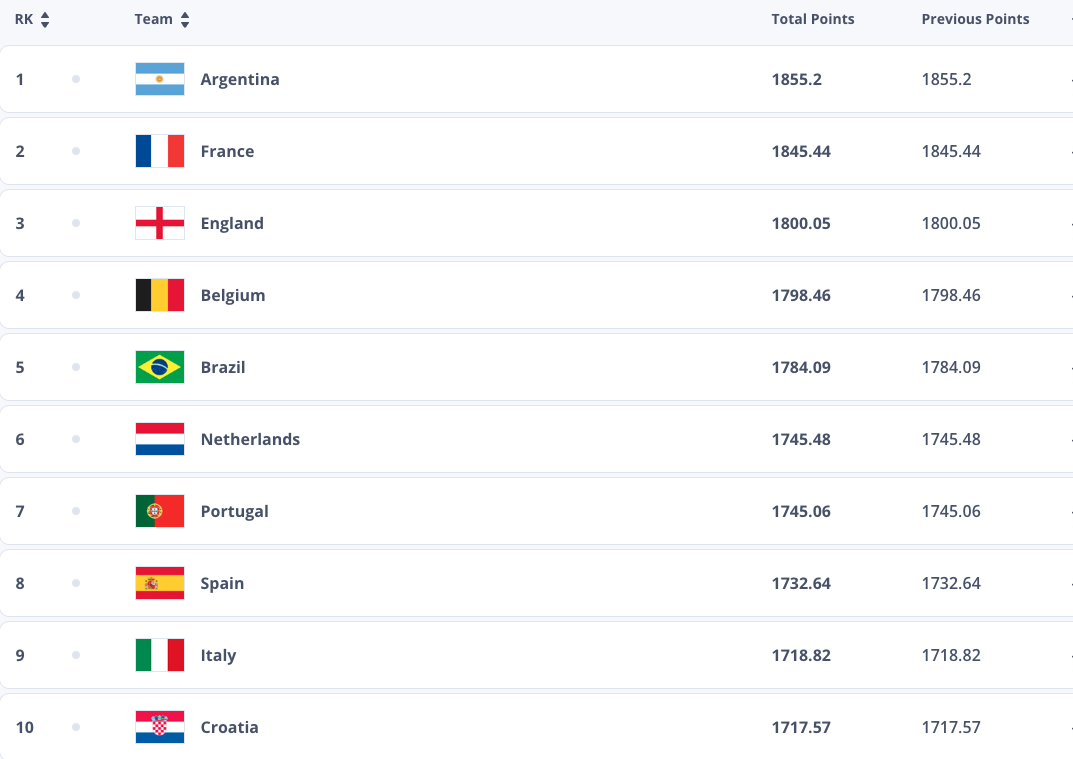
DATA TABLE - TOP 10 FOOTBALL TEAMS
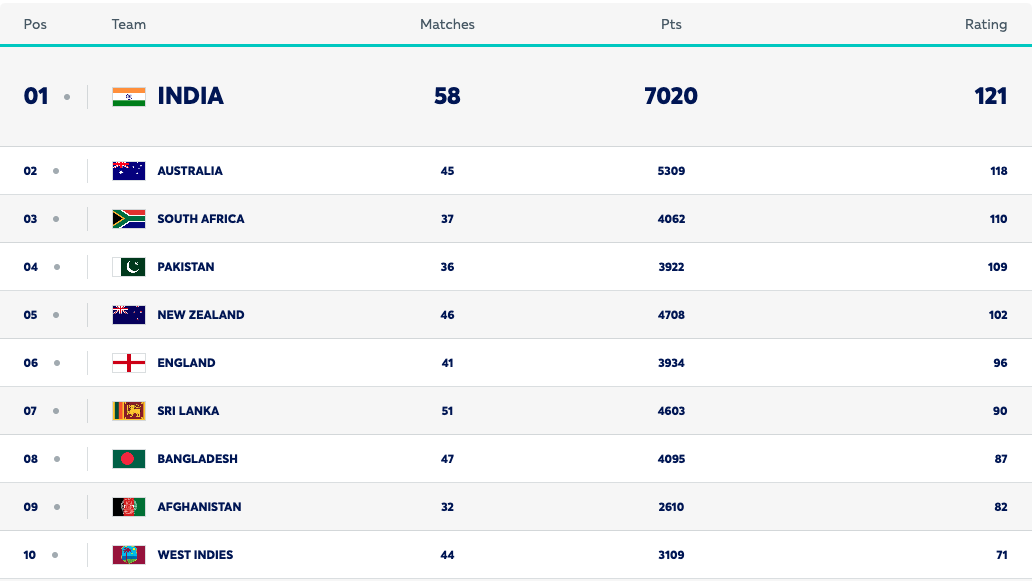
DATA TABLE - TOP 10 CRICKET TEAMS
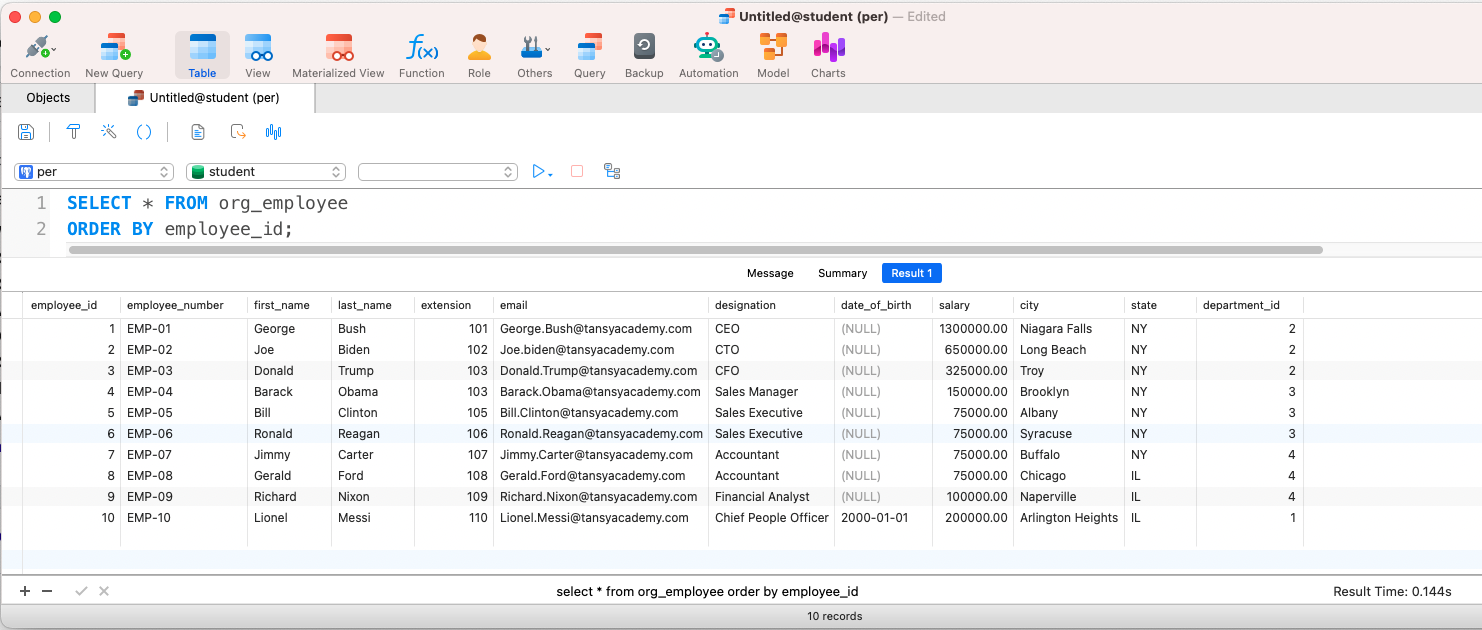
POSTGRESQL - EMPLOYEE TABLE WITH DATA
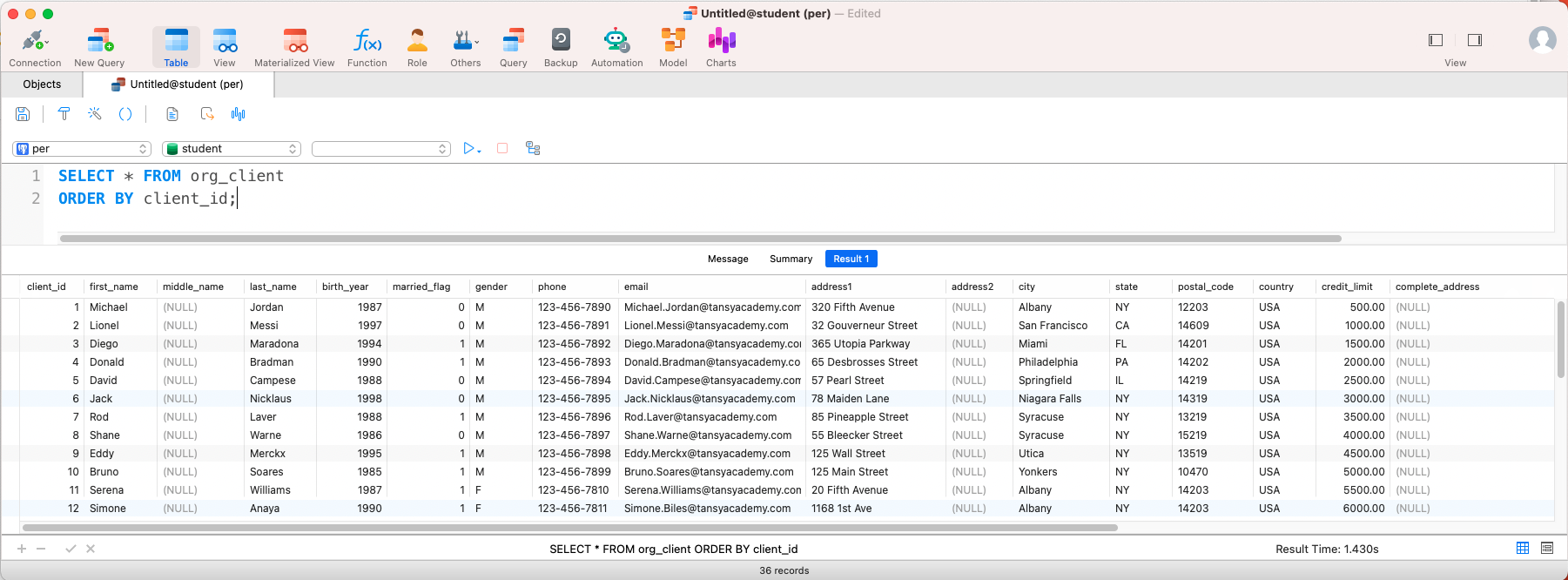
POSTGRESQL - CLIENTS TABLE WITH DATA
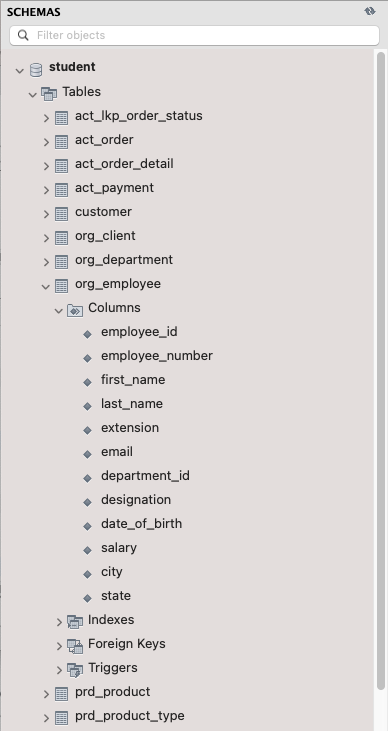
MYSQL TABLE LISTING
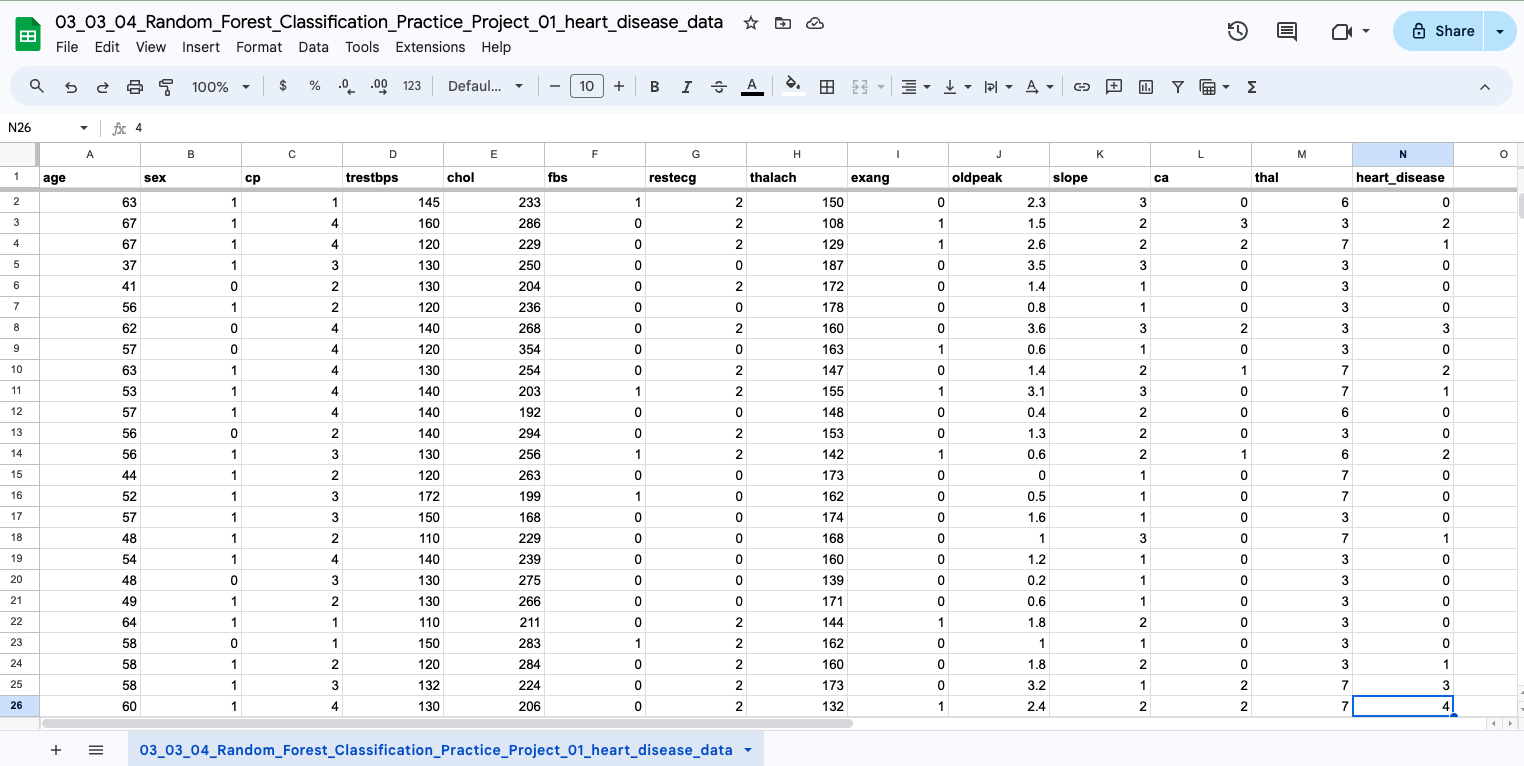
EXCEL DATA TABLE - PATIENT DATA
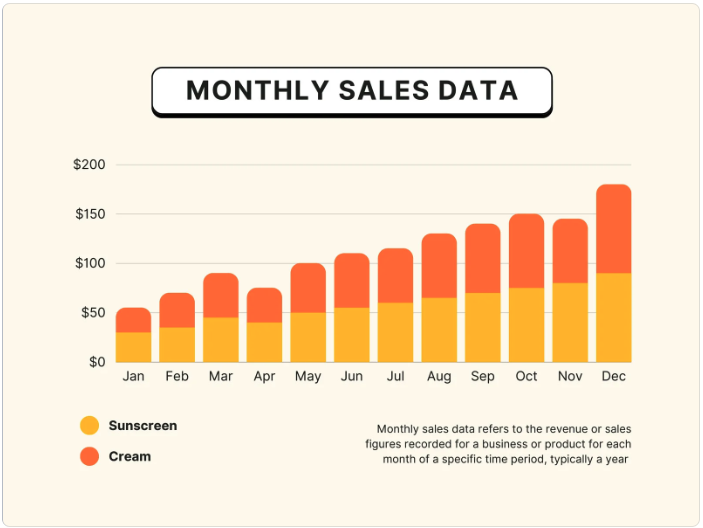
GRAPH DATA - NOT A SQL TABLE
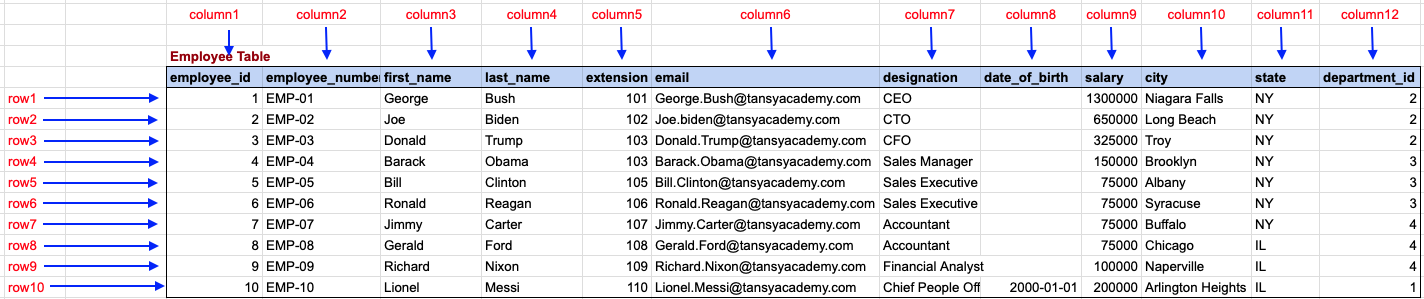
Employee Table with Data
EMPLOYEE JSON DOCUMENT, NOT A SQL TABLE
[
{
    "employee_id": 1,
    "employee_number": "EMP-01",
    "first_name": "George",
    "last_name": "Bush",
    "extension": 101,
    "email": "George.Bush@tansyacademy.com",
    "designation": "CEO",
    "date_of_birth": null,
    "salary": 130000,
    "city": "Niagara Falls",
    "state": "NY",
    "department_id": 2
},
{
    "employee_id": 2,
    "employee_number": "EMP-02",
    "first_name": "Joe",
    "last_name": "Biden",
    "extension": 102,
    "email": "Joe.biden@tansyacademy.com",
    "designation": "CTO",
    "date_of_birth": null,
    "salary": 65000,
    "city": "Long Beach",
    "state": "NY",
    "department_id": 2
}
]
Comments Not Found