
PostgreSQL
Chapter 10 - Projects
Final Capstone Project 1: Banking System in PostgreSQL
Objective:
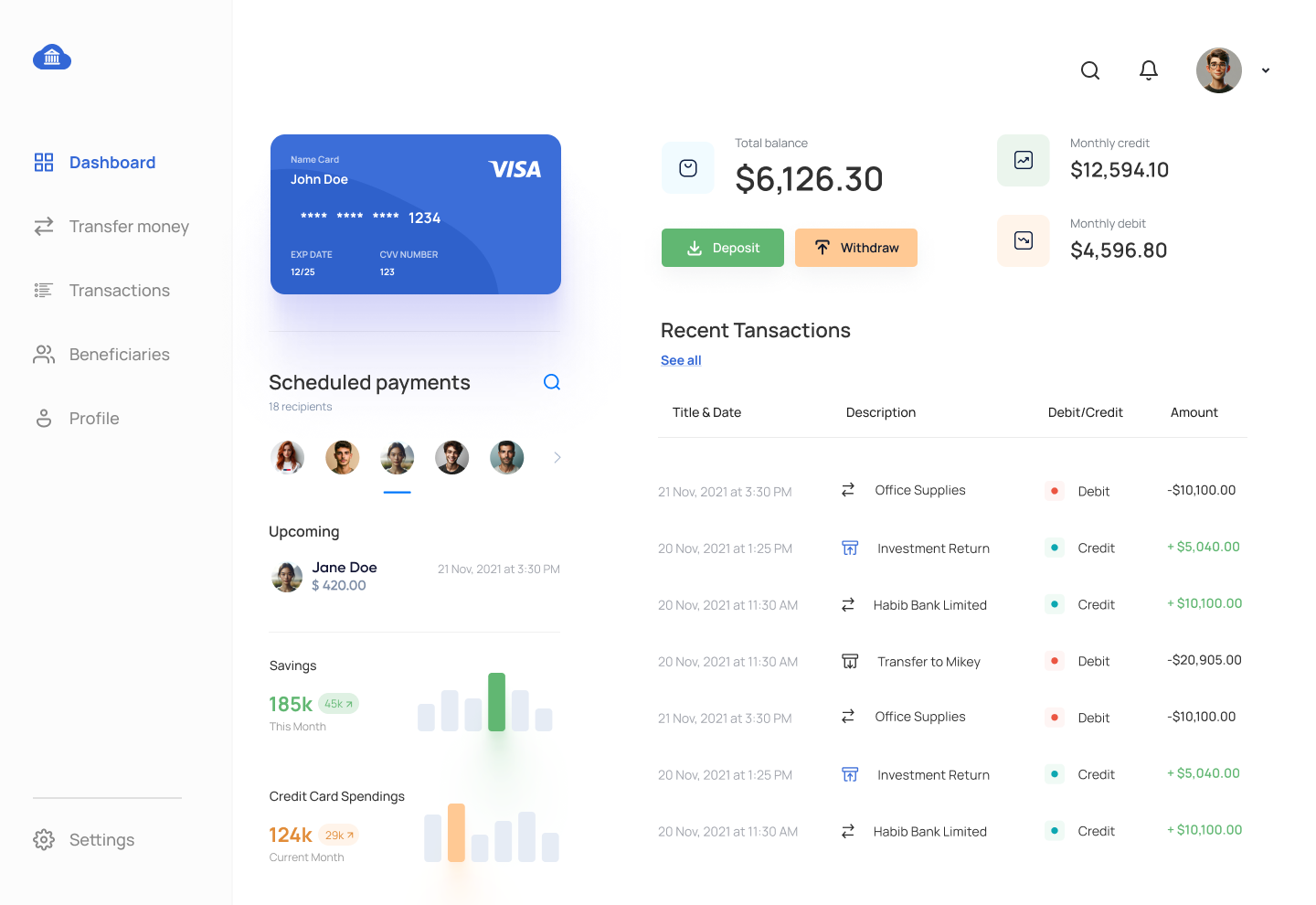
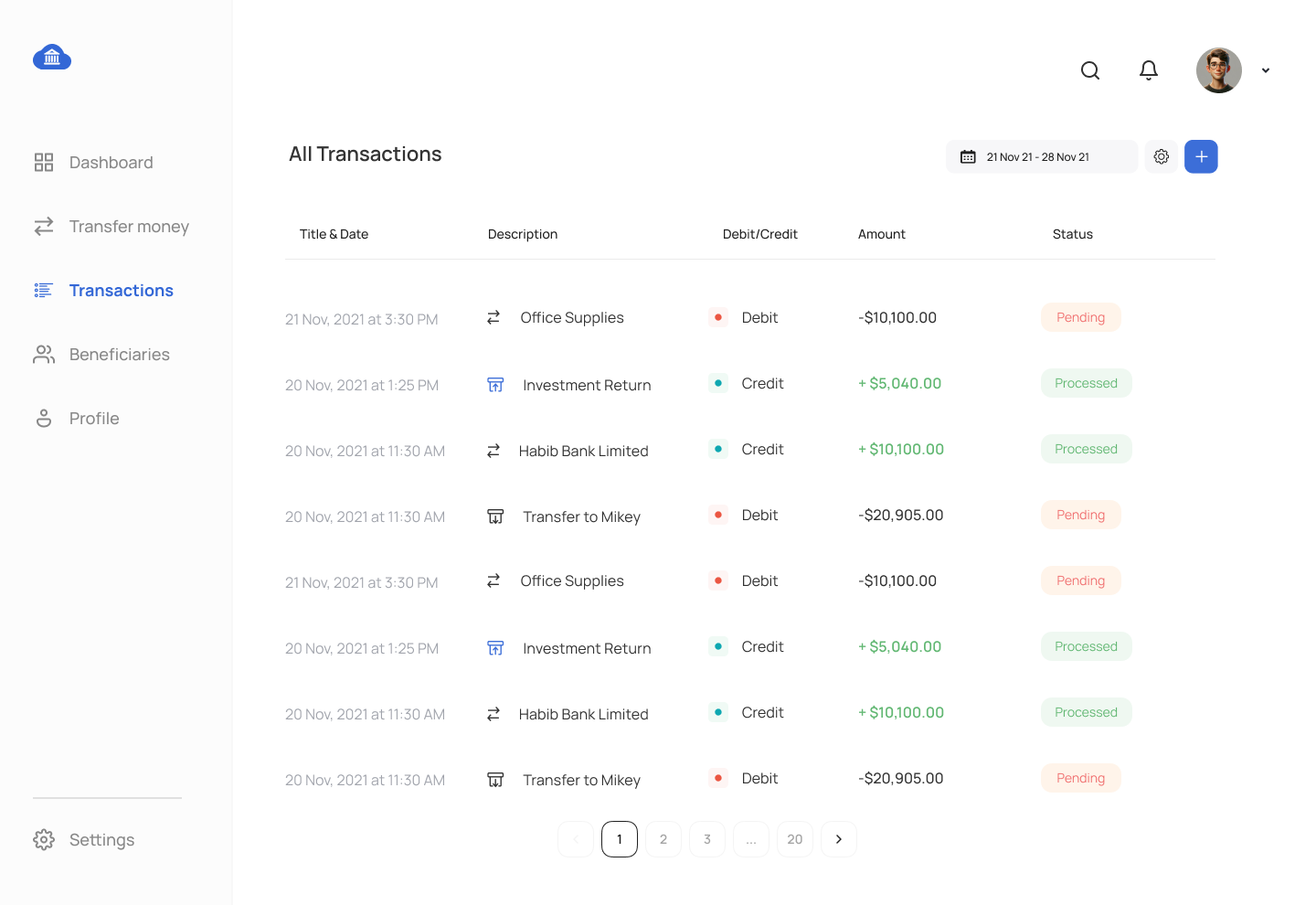
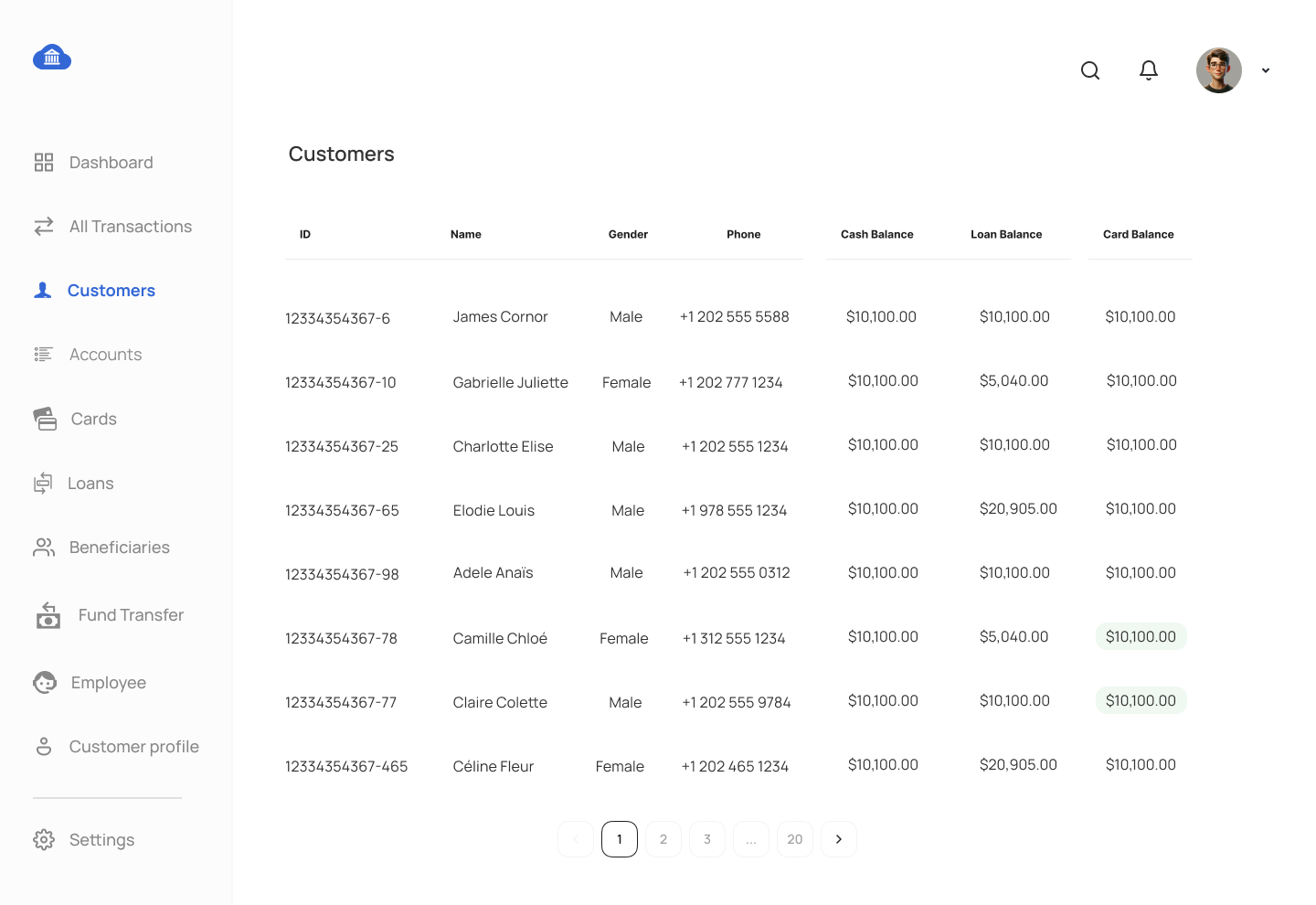
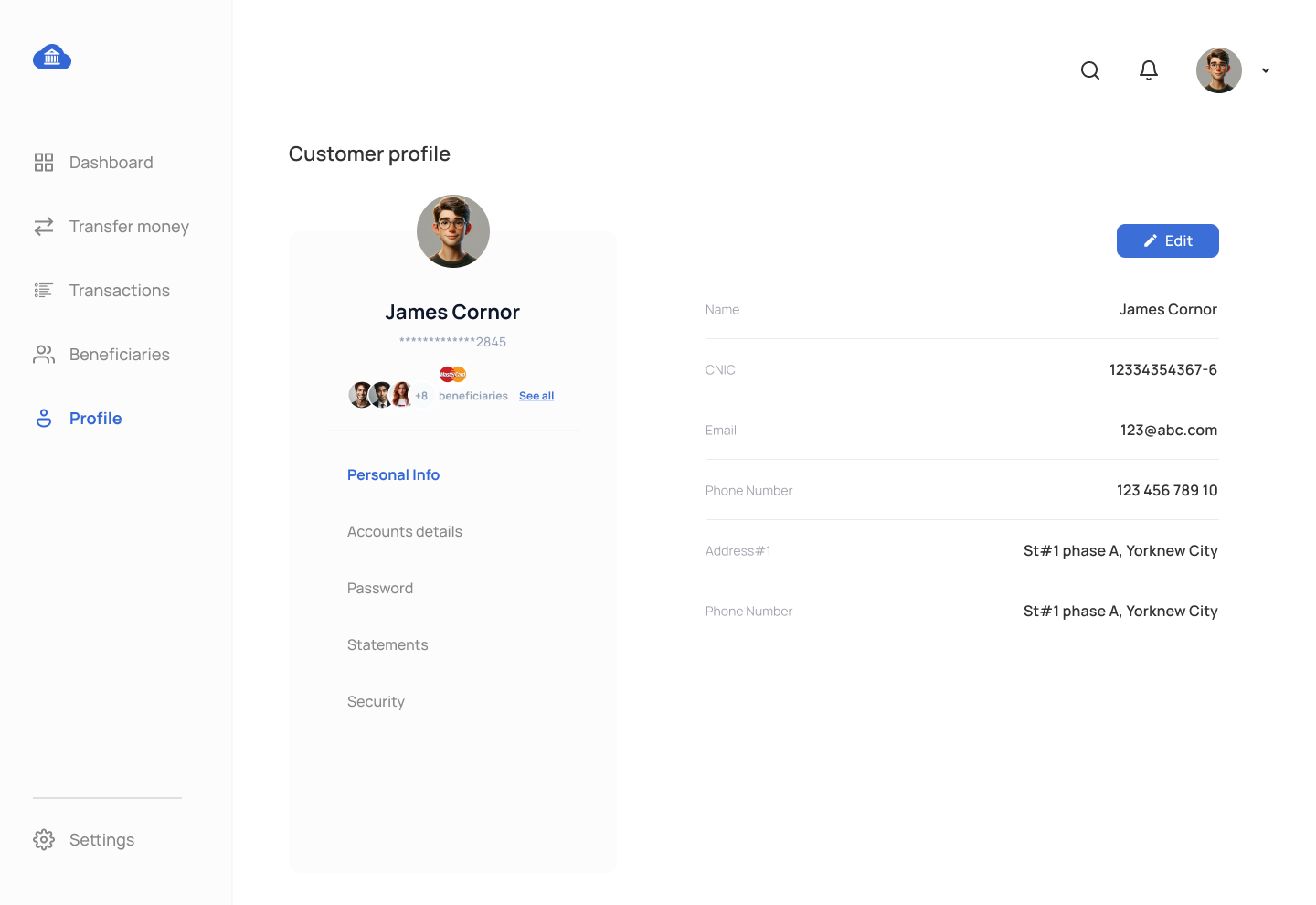
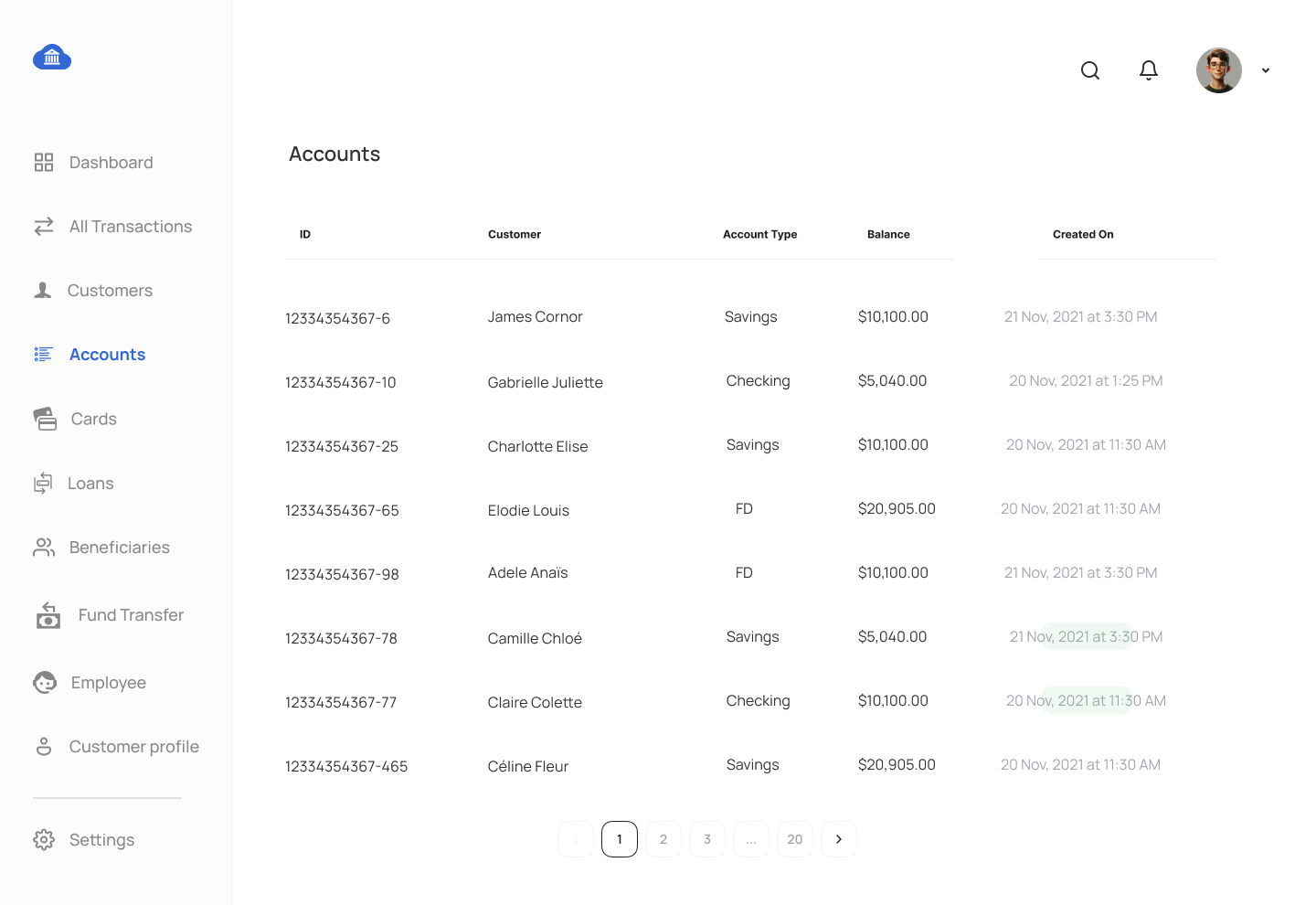
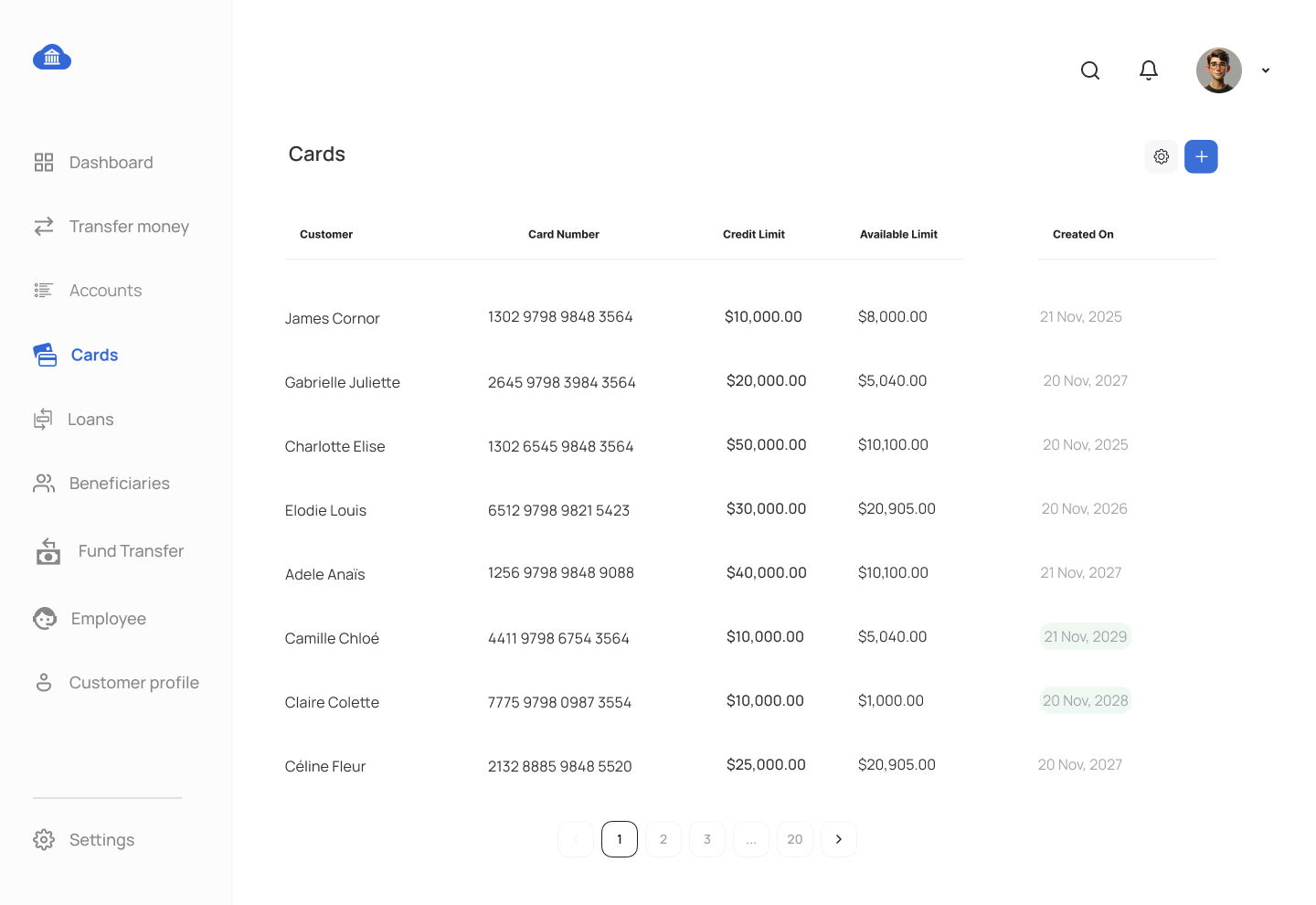
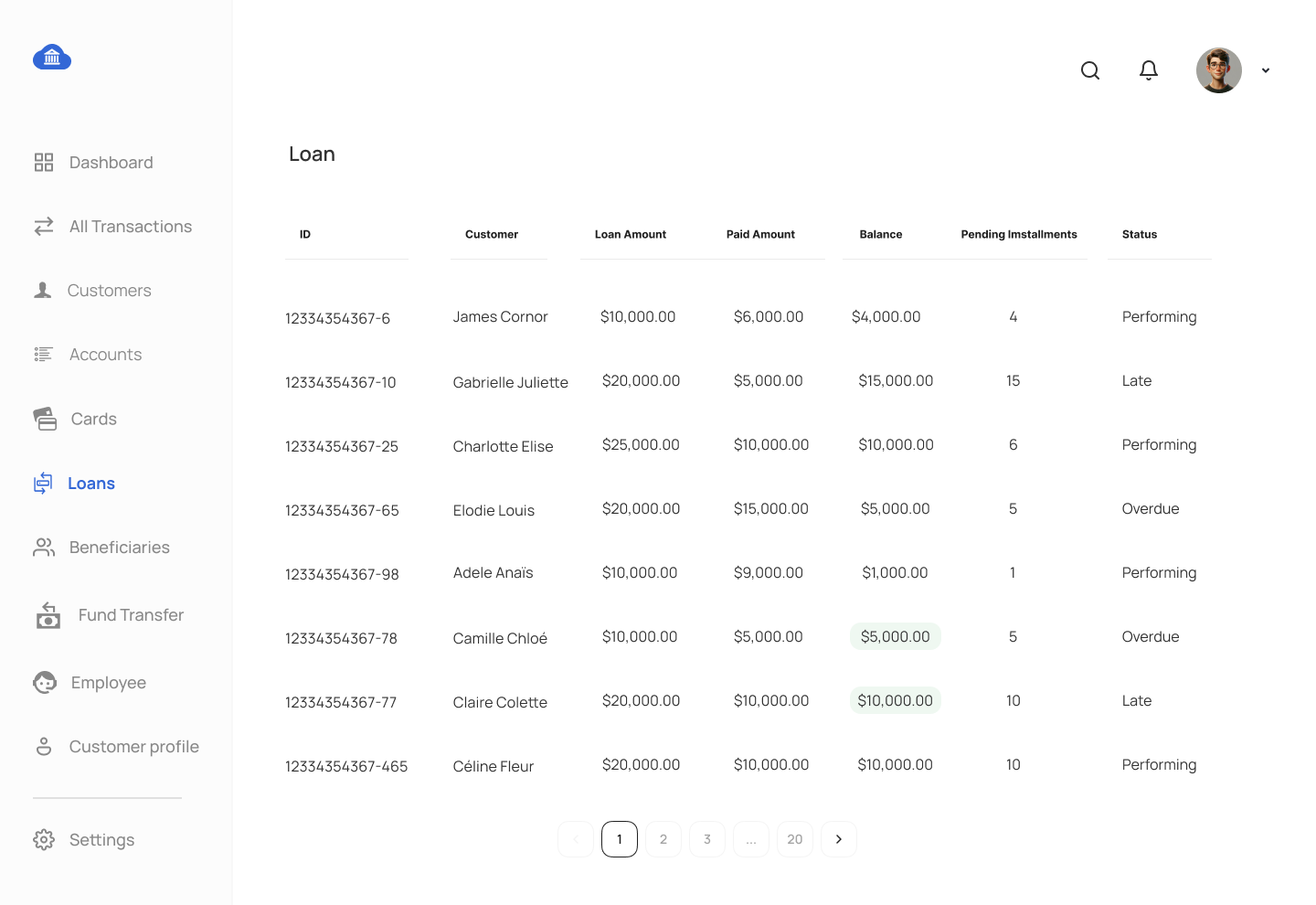
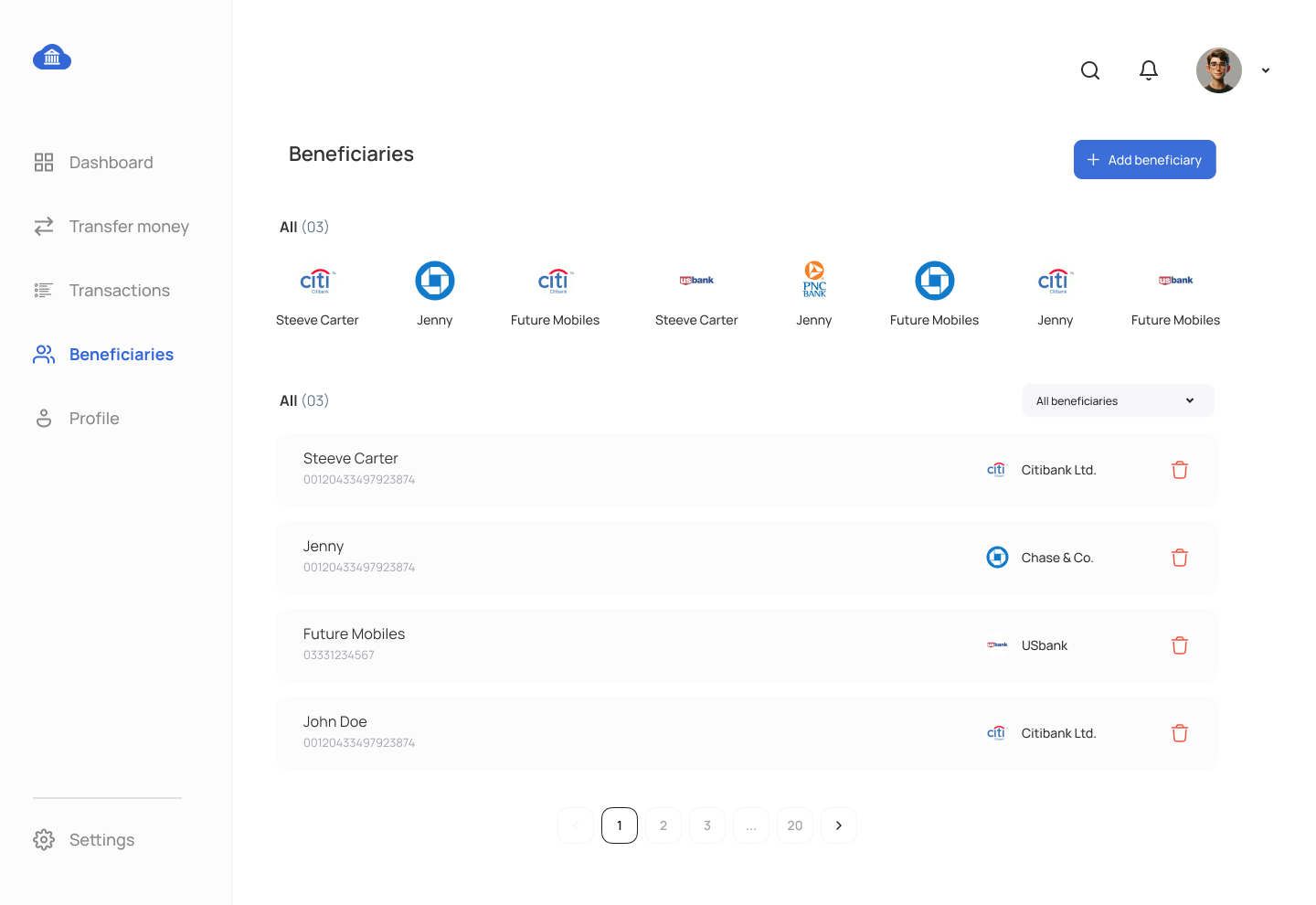
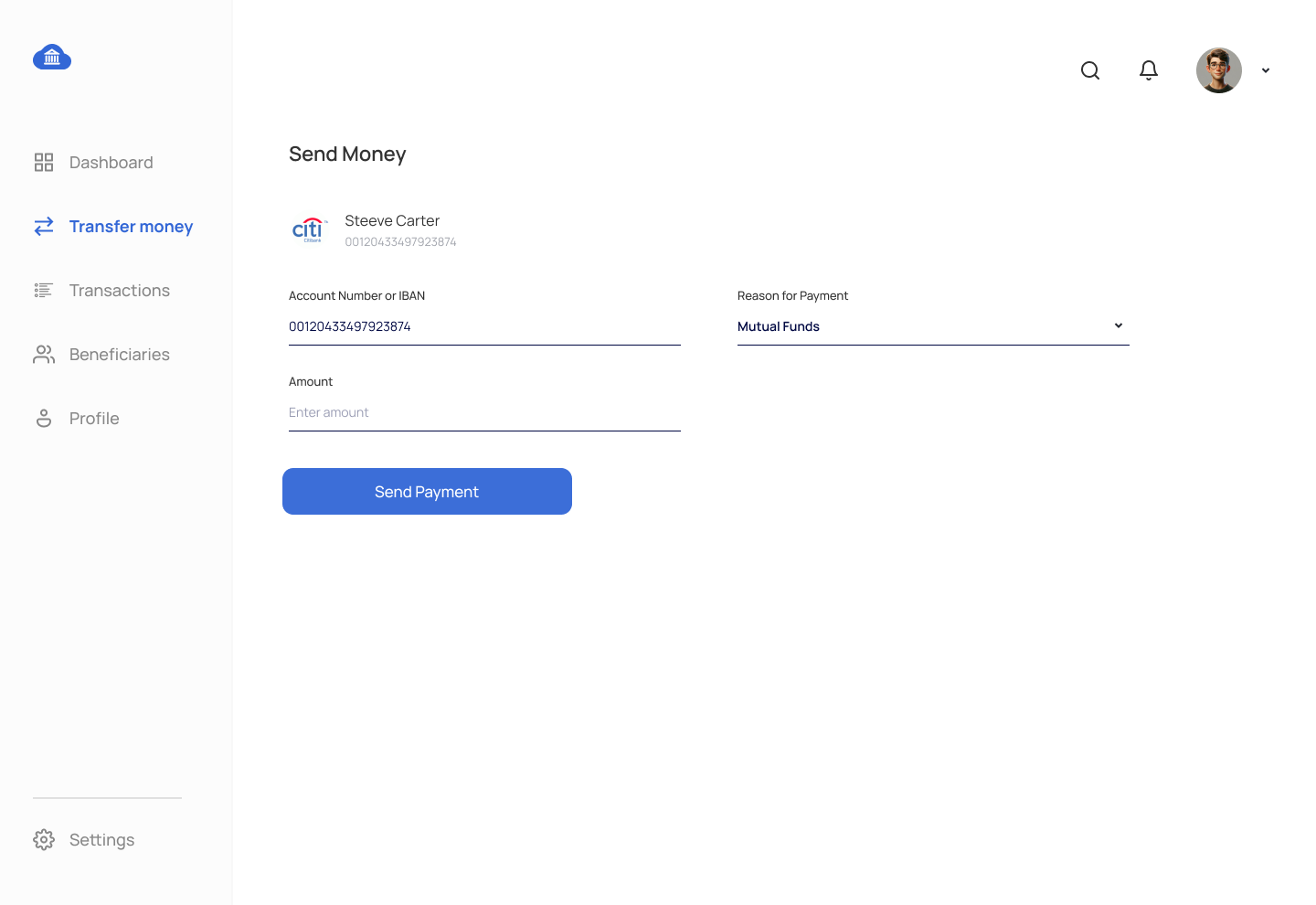
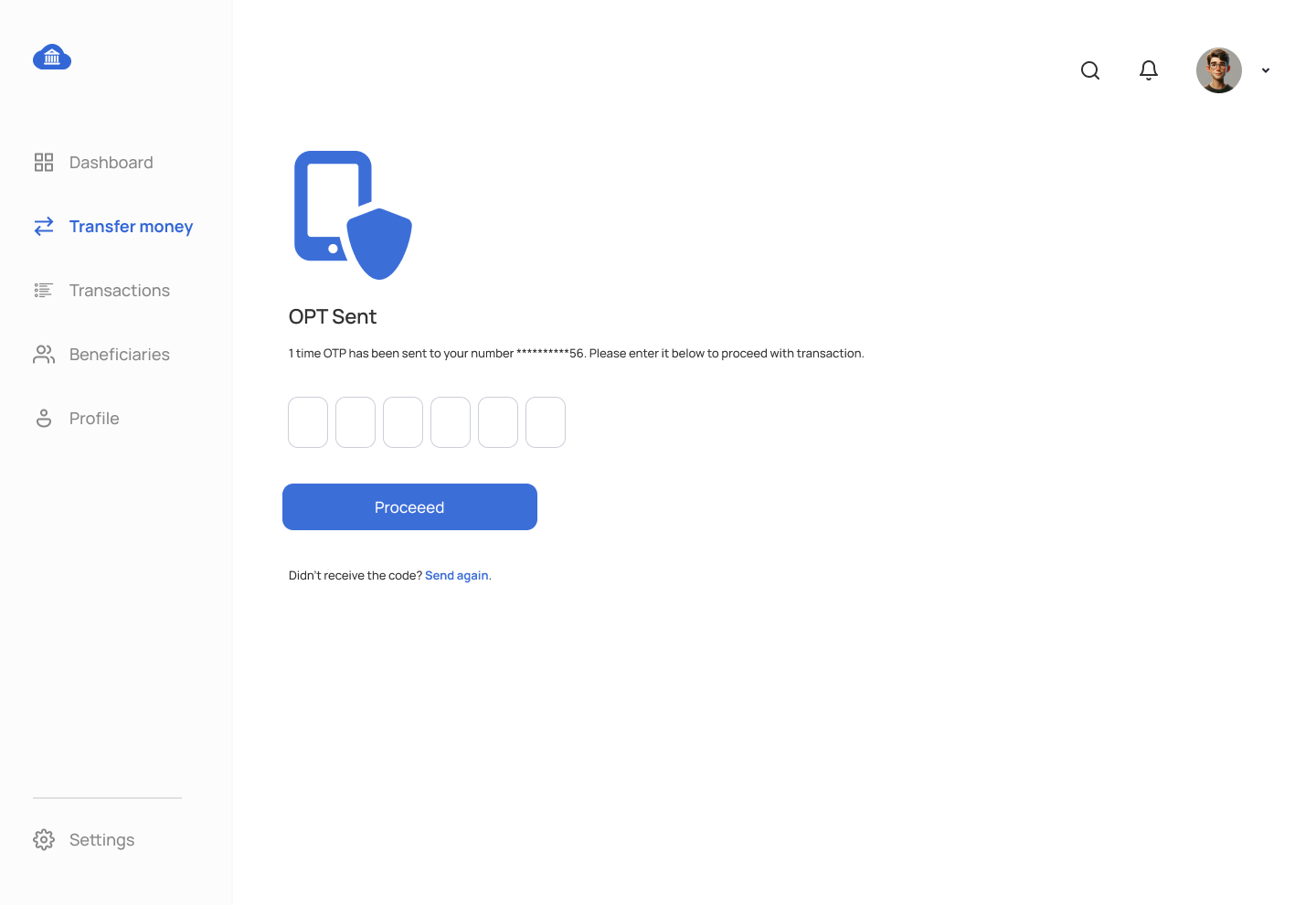
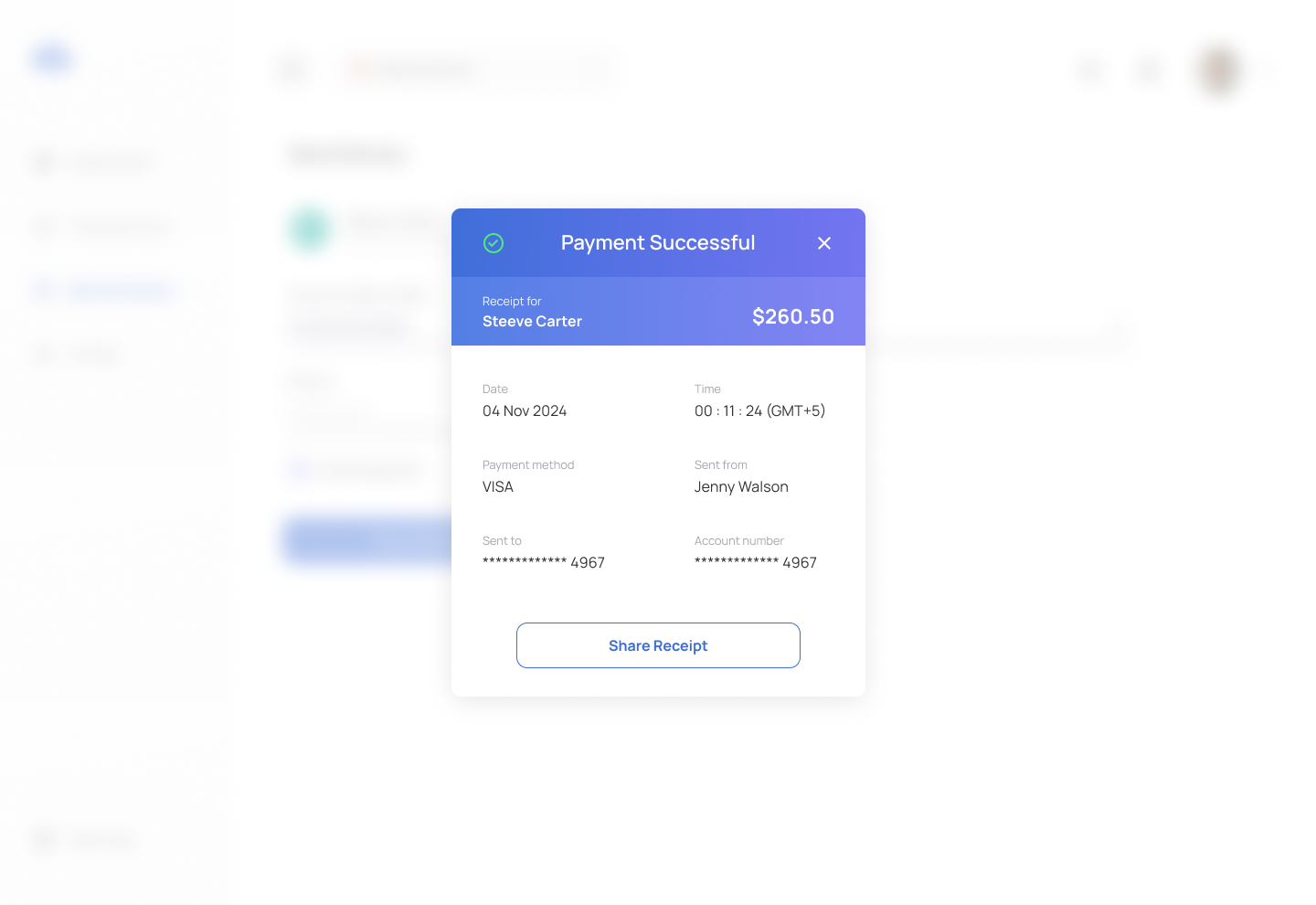
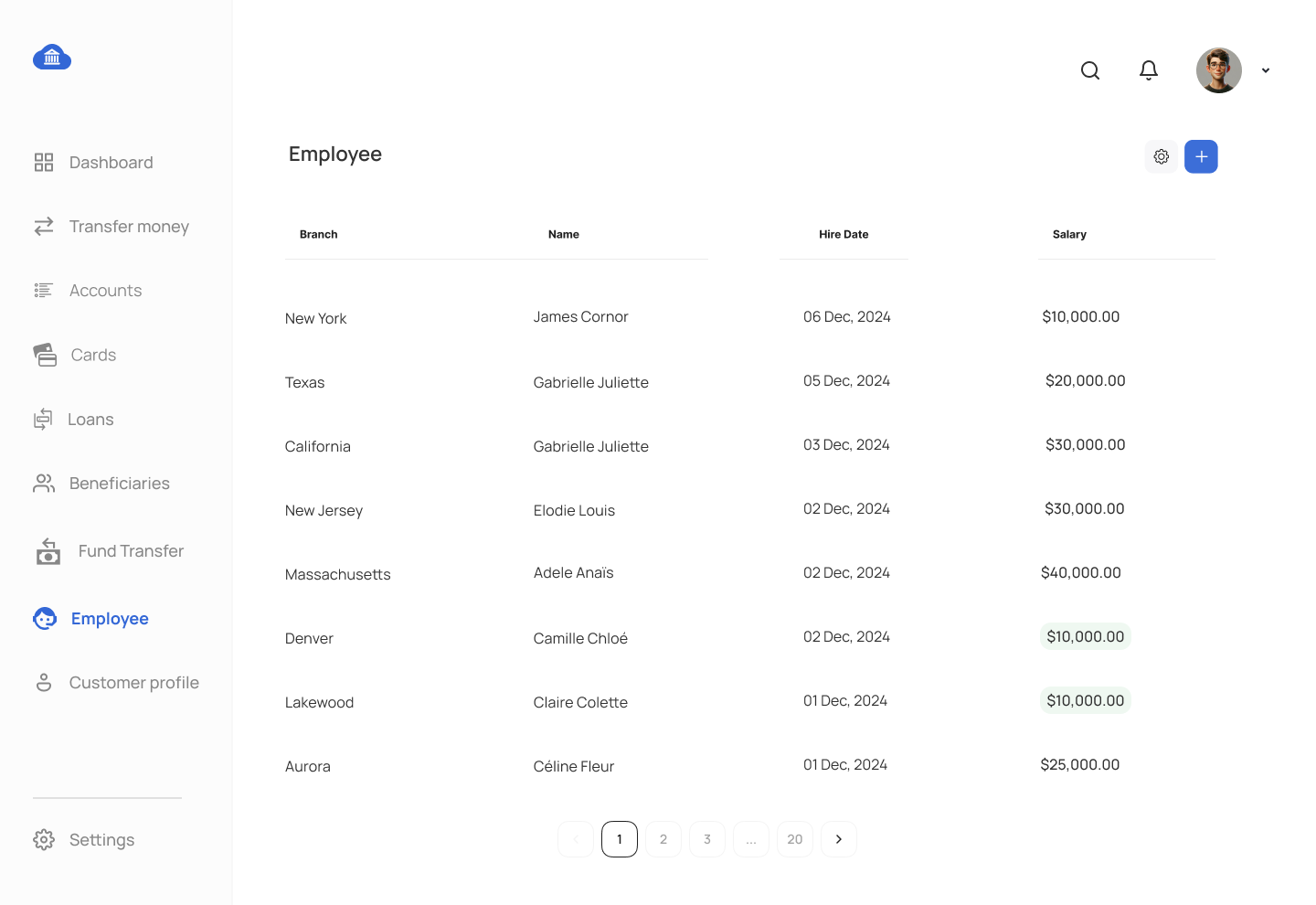
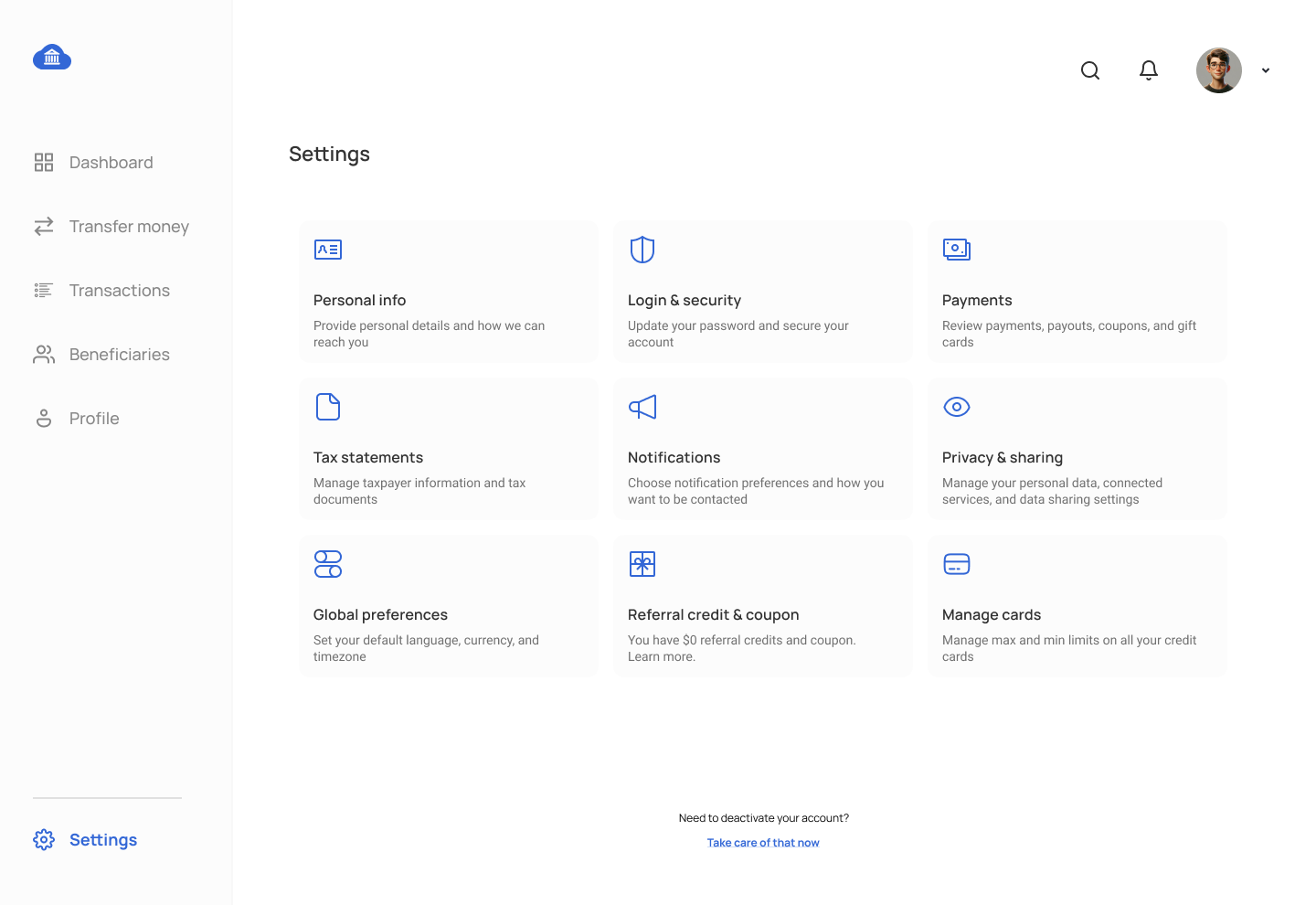
This assignment aims to provide practice with advanced PostgreSQL operations, such as stored procedures, functions, views, and triggers, within the context of a Banking System. Students are tasked with designing SQL objects that align with the proposed UI elements outlined in the screen design mockup/UX referenced at the bottom of this webpage.
Requirements:
- You must complete the assignments for Chapter 5 DDL, Chapter 6 DML, and Chapter 7 DQL before starting this assignment. The tables created and data inserted in the DDL and DML assignments will be used in the stored procedures, views, and triggers that you will develop as part of this assignment.
- Each SQL object (stored procedure, function, view, trigger) must be submitted as a separate .
sqlfile, named after the object (e.g.,create_customer_view.sql). - A report explaining the purpose and design of each SQL object in relation to the proposed UI should accompany the submission.
Assignment Tasks:
Stored Procedure Tasks:
- Stored Procedure for Employee Information
- Write a stored procedure that retrieves all rows from the EMPLOYEE table where the city is a specific value passed as a input parameter.
- Stored Procedure for City Management
- Write a stored procedure to insert a new record into the CITY table. The procedure should take country_name and city_name as input parameters.
- Stored Procedure for Salary Management version 1
- Write a stored procedure to update the salary of a specific EMPLOYEE by adding a updated salary. The procedure should take employee_id and new salary as parameters.
- Stored Procedure for Salary Management version 2
- Design a database stored procedure to update employee salaries for multiple employee IDs provided as input. The procedure should also accept the salary increase percentage as an input parameter. Utilize JSON, XML, or SQL table variables to manage and process multiple employee records. Temporary tables can be used if required. Input parameters:
employee_idsandincrease_percent.
- Design a database stored procedure to update employee salaries for multiple employee IDs provided as input. The procedure should also accept the salary increase percentage as an input parameter. Utilize JSON, XML, or SQL table variables to manage and process multiple employee records. Temporary tables can be used if required. Input parameters:
- Stored Procedure for Customer Data Grid
- Create a database stored procedure to retrieve comprehensive customer details, including
phone_numberandemail, for displaying in the Customer Management screen's data grid. The procedure should also calculate and return the customer's cash balance, credit balance, and loan balance. Implement pagination for the UI grid using temporary tables, with the UI grid page number passed as an input parameter.
- Create a database stored procedure to retrieve comprehensive customer details, including
- Stored Procedure for Loan Payments
- Create a database stored procedure to fetch all loan instalments for a specific customer by accepting customer_id as an input parameter. The procedure should join the CUSTOMER, LOAN, and LOAN_INSTALMENTS tables to retrieve relevant details, including loan_id, instalment_amount, due_date, paid_date, and loan_start_date.
- Stored Procedure for Banking Transactions
- Develop an SQL stored procedure to process banking debit and credit transactions. The procedure should execute the following tasks: log the transaction in the transaction table, update the account balance, and document the changes in the account history. Additionally, if the transaction pertains to a credit card purchase, ensure the
CARDtable is updated accordingly.
- Develop an SQL stored procedure to process banking debit and credit transactions. The procedure should execute the following tasks: log the transaction in the transaction table, update the account balance, and document the changes in the account history. Additionally, if the transaction pertains to a credit card purchase, ensure the
- Stored Procedure for Loan Payment
- Create a stored procedure to manage loan payments. The procedure should execute the following tasks: log the payment in the transaction table, record the details in the loan payment table, update the loan instalment records, adjust the account balance, and document the changes in the account history. If the payment clears the loan in full, update the loan's end date in the
LOANtable. To accommodate payments covering multiple months, accept instalment IDs as input and distribute the funds across the specified monthly instalment buckets accordingly.
- Create a stored procedure to manage loan payments. The procedure should execute the following tasks: log the payment in the transaction table, record the details in the loan payment table, update the loan instalment records, adjust the account balance, and document the changes in the account history. If the payment clears the loan in full, update the loan's end date in the
- Stored Procedure for Fund Transfer
- Create a stored procedure to manage fund transfer details. The procedure should perform the following operations: insert a record into the fund transfer table, log the transaction in the transaction table, update the account balance, and record the changes in the account history.
- Stored Procedure to Reverse a Fund Transfer
- Develop a stored procedure to handle fund transfer refunds. The procedure should execute the following actions. update the fund transfer record, log the refund in the transaction table, adjust the account balance, and document the changes in the account history.
- Stored Procedure for Customer Login
- Create a stored procedure to validate user login, fetch customer details, and update the last_login_datetime. The procedure should return an error if the login ID is not found or the password does not match. Ensure the stored encrypted password is decrypted during the validation process.
View Tasks:
- View for Customer Information
- Create a db view that retrieves the first_name, last_name, email, and phone_number of all customers along with their corresponding city names.
- View for Account Details
- Create a database view that displays account details, customer_id, first_name, last_name, account_id, account_type, and balance. Include the city name and country name using appropriate joins.
- View for Loan Details
- Create a sql view to summarize loan details, including: loan_id, customer_id, first_name, last_name, loan_amount, interest_rate, loan_start_date, and loan_end_date. Include the total number of instalments and the sum of all instalment amounts for each loan.
Function Tasks:
- Function to Calculate Total Loan Balance per Customer
- Write a database function to calculate the total outstanding loan balance for a customer based on their loans. Use SQL variables within the function to implement this logic.
- Function to Calculate Interest on Loans
- Write a database function that calculates the monthly interest to be added to the principal amount of a loan each month, based on the
loan_amount, interest_rate, andnumber_of_monthly_instalments.
- Write a database function that calculates the monthly interest to be added to the principal amount of a loan each month, based on the
- Function to display loan details
- Write a database function that retrieves customer loan information based on the screen design provided at the bottom of this webpage.
Trigger Task:
- Trigger on Transaction Amount Changes
- Create a trigger on the
TRANSACTIONtable that logs changes to theamountfield into theAUDIT_LOGtable. The log should capture thetransaction_id,old_amount,new_amount,log_date, andemployee_id.
- Create a trigger on the
- Insert and Update Triggers on
ACCOUNT_HISTORYtable -Create a trigger on theACCOUNT_HISTORYtable to ensure that there is only one record peraccount_idwhere thelatest_record booleanvalue is set to TRUE.
Submission Guidelines:
- Each SQL object (procedure, view, function, trigger) should be in a separate
.sqlfile named after the object. - Provide a brief report explaining the functionality of each SQL object and its relation to the respective UI screen.
This assignment will challenge students to implement advanced database components for a Banking System using PostgreSQL. The tasks will help them gain experience in creating and managing stored procedures, views, functions, and triggers in a real-world application scenario.
Sample ERD Data Model for Banking System
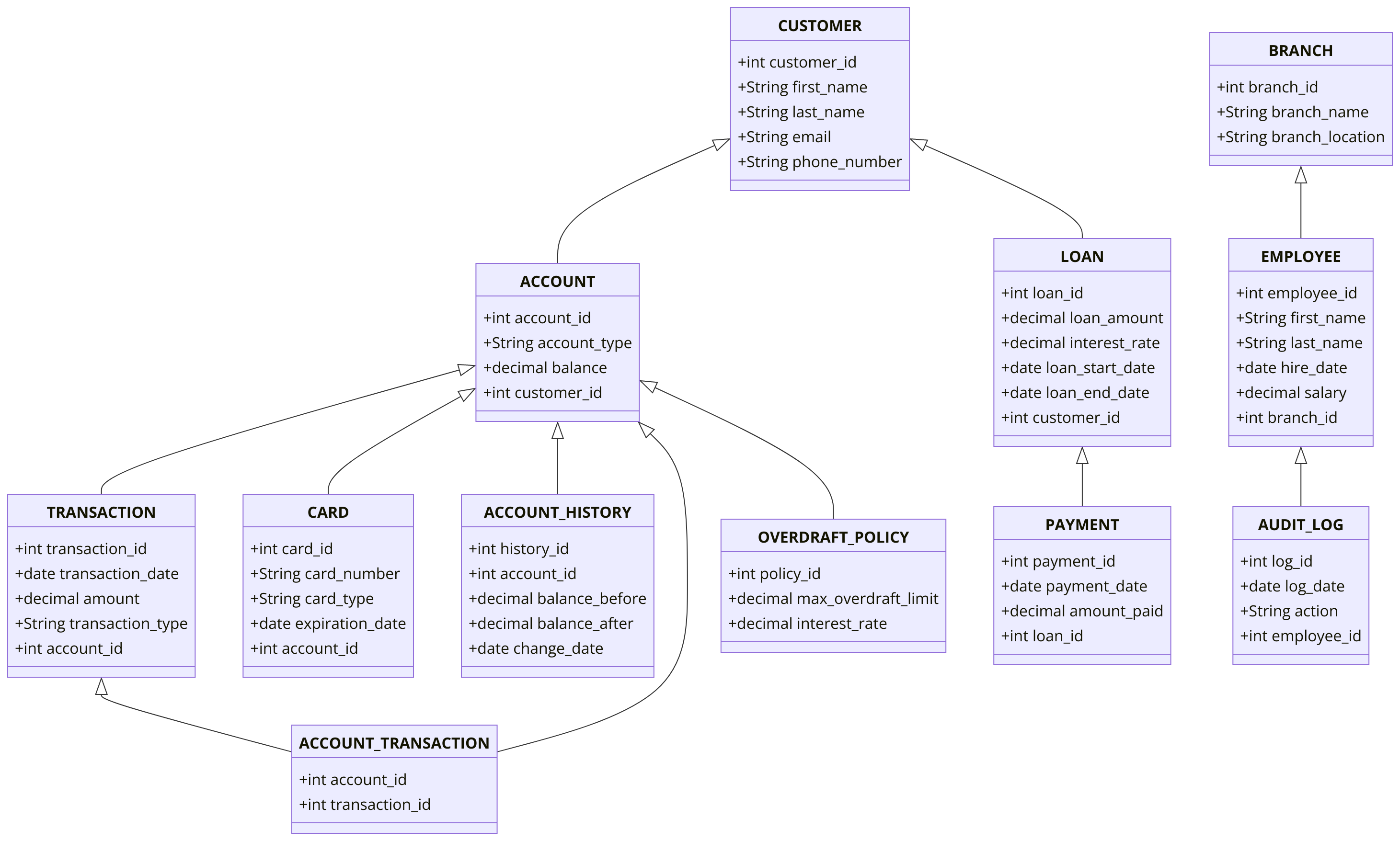
Database project tasks for a banking application in SQL

Comments Not Found